

You Don’t Need Acres of Land to Grow Real Food
One of the biggest misconceptions about growing food is the belief that you need acreage, equipment, or a full-scale farm to do it well. Most people don’t — and never will — have large plots of land to work with. But growing even a small amount of food, right where you live, is often easier and more impactful than we think.
Many of us were raised in a time of abundance at the grocery store. Shelves are full, produce is always available, and seasons don’t seem to matter much anymore. What’s easy to forget is that every apple, carrot, or bundle of greens came from real people — growers who planted, watered, harvested, packed, and delivered that food long before it ever reached a shelf.
It’s work. It’s timing. And it’s care.
The “Healthy Week” Trap
We’ve all been there. We decide this is the week we’ll eat better. We buy fresh greens, tomatoes, herbs, and everything needed for a beautiful salad. We prepare one great meal, feel proud of ourselves, and then life happens. The enthusiasm fades, takeout sounds easier, and a few days later the produce is wilting in the fridge.
That scenario is painfully familiar in our own home.
Growing even a small garden changes that relationship. When you harvest what you need, when you need it, food stops feeling disposable. You don’t overbuy. You don’t rush to “use it up.” And when there’s extra, it gets shared or sold to friends and neighbors — not forgotten in the back of the refrigerator.
Here’s something most people don’t realize:
Did you know that many fruits and vegetables can begin losing nutritional value within hours of being harvested?
Leafy greens, in particular, can lose a significant portion of their vitamin C within the first 24–72 hours after harvest. The longer produce sits — during transport, storage, and on store shelves — the more nutrients slowly decline.
That doesn’t mean grocery store produce is “bad.” But it does mean that food harvested and eaten close to home often delivers higher freshness, flavor, and nutritional value than food shipped hundreds or thousands of miles and stored for a week or more before purchase.
Seasonal Growing Is Simpler Than It Sounds
You don’t need to grow everything, all the time. Growing in season — even a handful of herbs, greens, or vegetables — reduces frustration and increases success. Plants want to grow when conditions are right. When we work with those natural cycles instead of against them, the process becomes simpler, not harder.
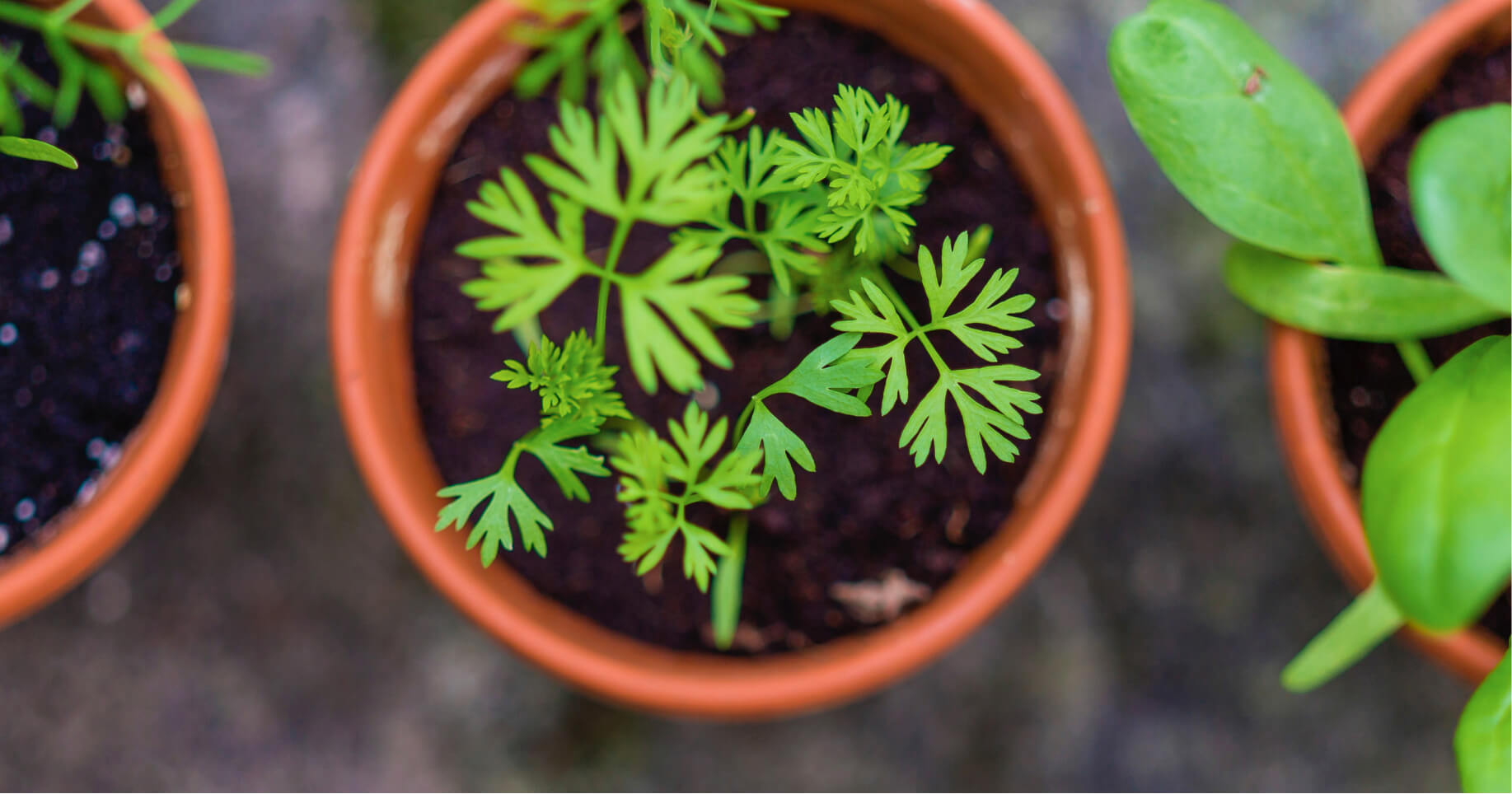
A pot of herbs. A raised bed of greens. A few vegetables that thrive in your climate. That’s enough to reconnect with where food comes from.
Reconnecting with the Source
At its core, growing food isn’t just about nutrition — it’s about awareness. It’s about understanding that food doesn’t appear magically on shelves. It’s the result of human effort, knowledge, patience, and care.
Why Fresh Matters More Than We Realize
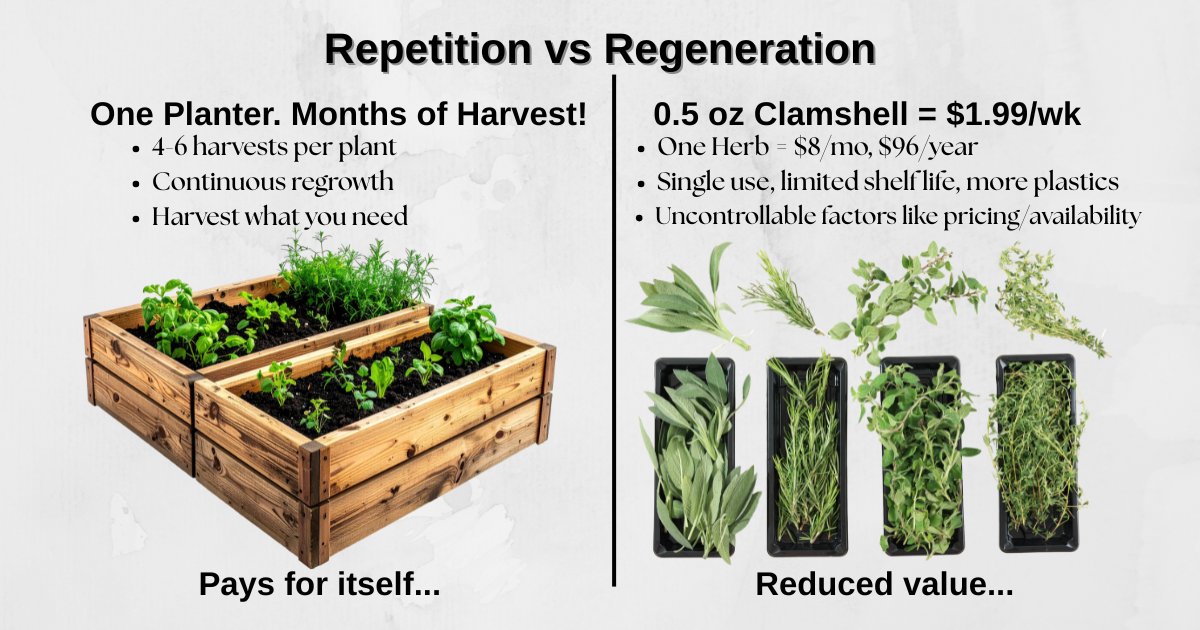
Growing once beats buying every week. A small garden can pay for itself over a season — especially with herbs and greens. Instead of purchasing a $1.99 plastic clamshell again and again (and watching half of it wilt in the fridge), you can harvest only what you need, when you need it, and share or sell the surplus. Fresh-picked food isn't just tastier, it's often the most economical in the long run.
More antioxidants, in some cases
Whether you grow one plant or many, harvesting food directly from the earth — and sharing what you don’t need — is one of the simplest ways to eat better, waste less, and appreciate the systems that feed us.
That’s a lesson worth passing on.