

Edible Flowers: Beauty You Can Taste
When most people think of flowers, they think of decoration — not dinner. But edible flowers have been used for centuries in culinary traditions, herbal medicine, and cultural ceremonies around the world. Beyond their beauty, many bring subtle flavors, vibrant natural color, and functional benefits to the table.
A Garden That Feeds More Than the Eyes
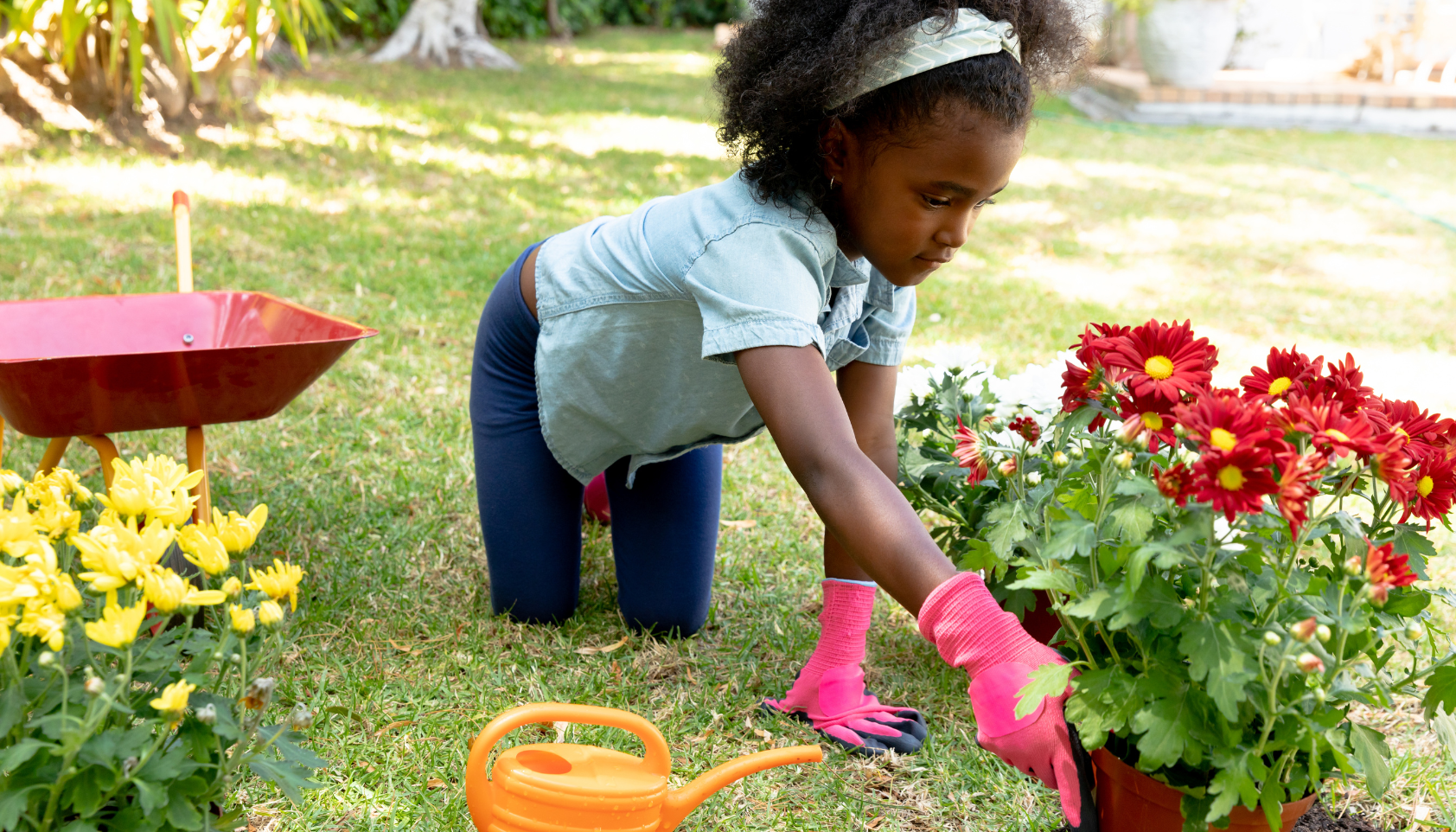
Edible flowers add something special to a plate: color, aroma, and a reminder that food can be both nourishing and beautiful. In a small garden, even a few flowering plants can transform ordinary meals into something memorable.
Some of the most vibrant and versatile edible flowers include:
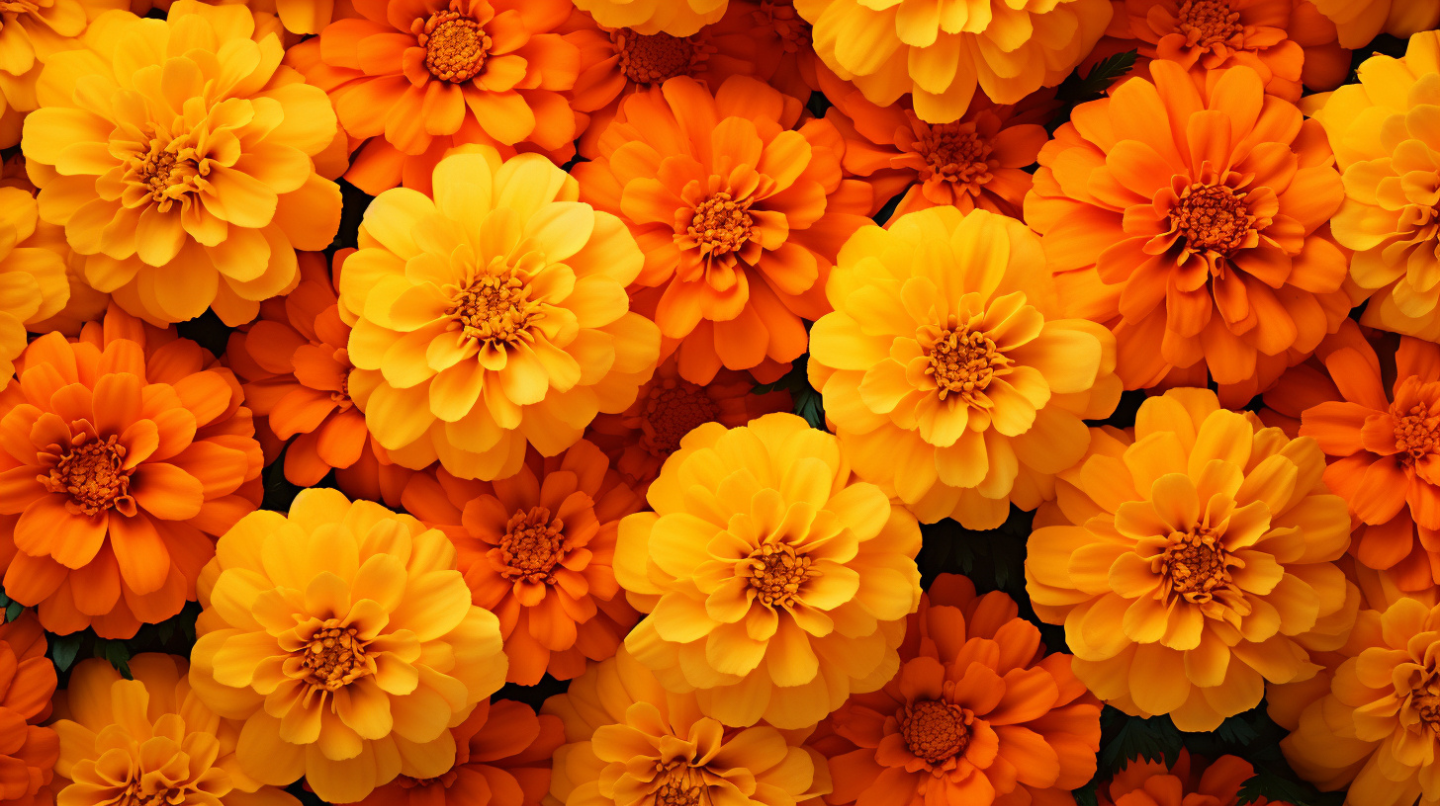
Marigolds
Bright gold and orange petals with a slightly citrusy, peppery flavor. Often called the “poor man’s saffron,” marigold petals can add color to rice, salads, and baked goods.
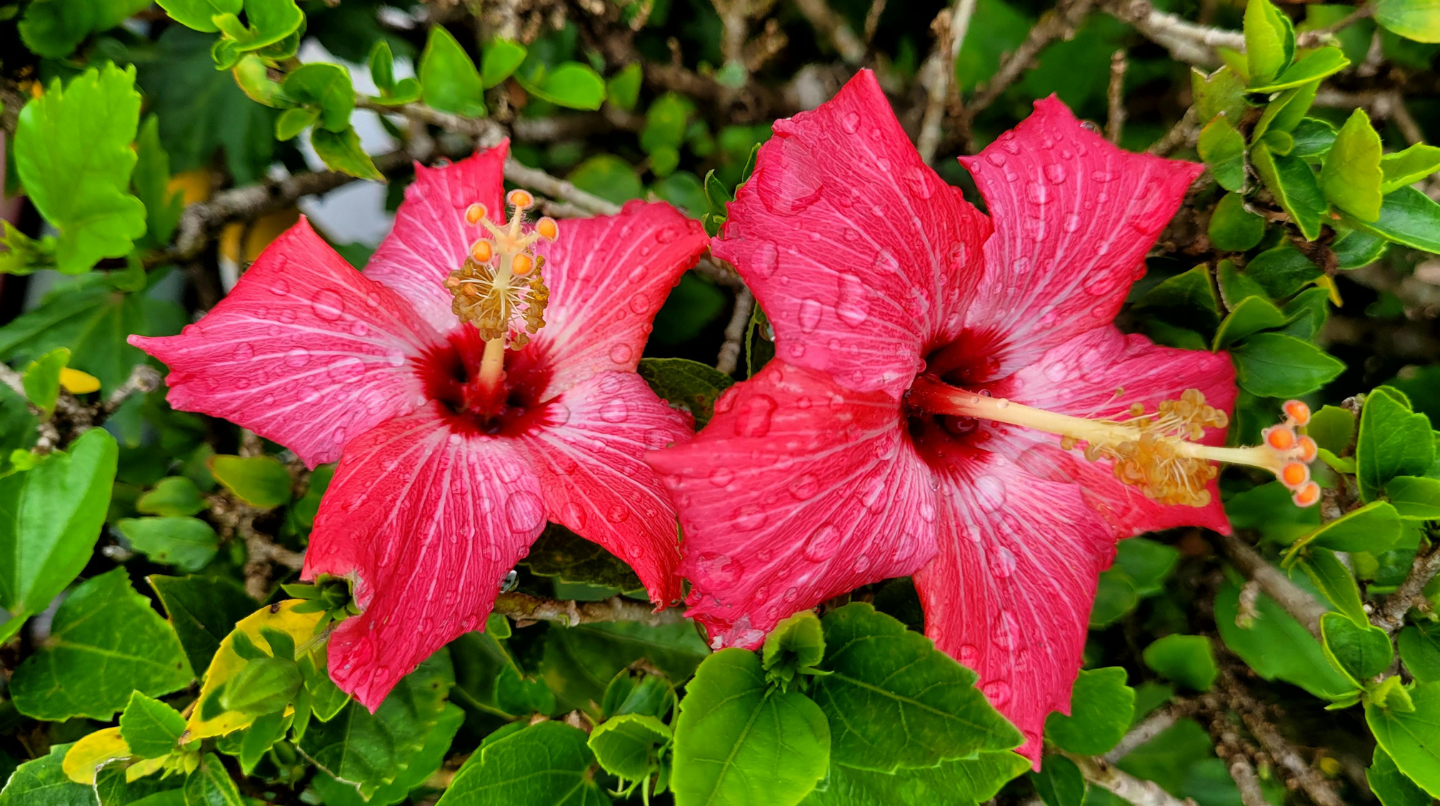
Hibiscus
Deep red blossoms known for their tart, cranberry-like flavor. Hibiscus is commonly used in teas, syrups, jams, and refreshing beverages. Its natural color makes stunning cake glazes and cocktail infusions.
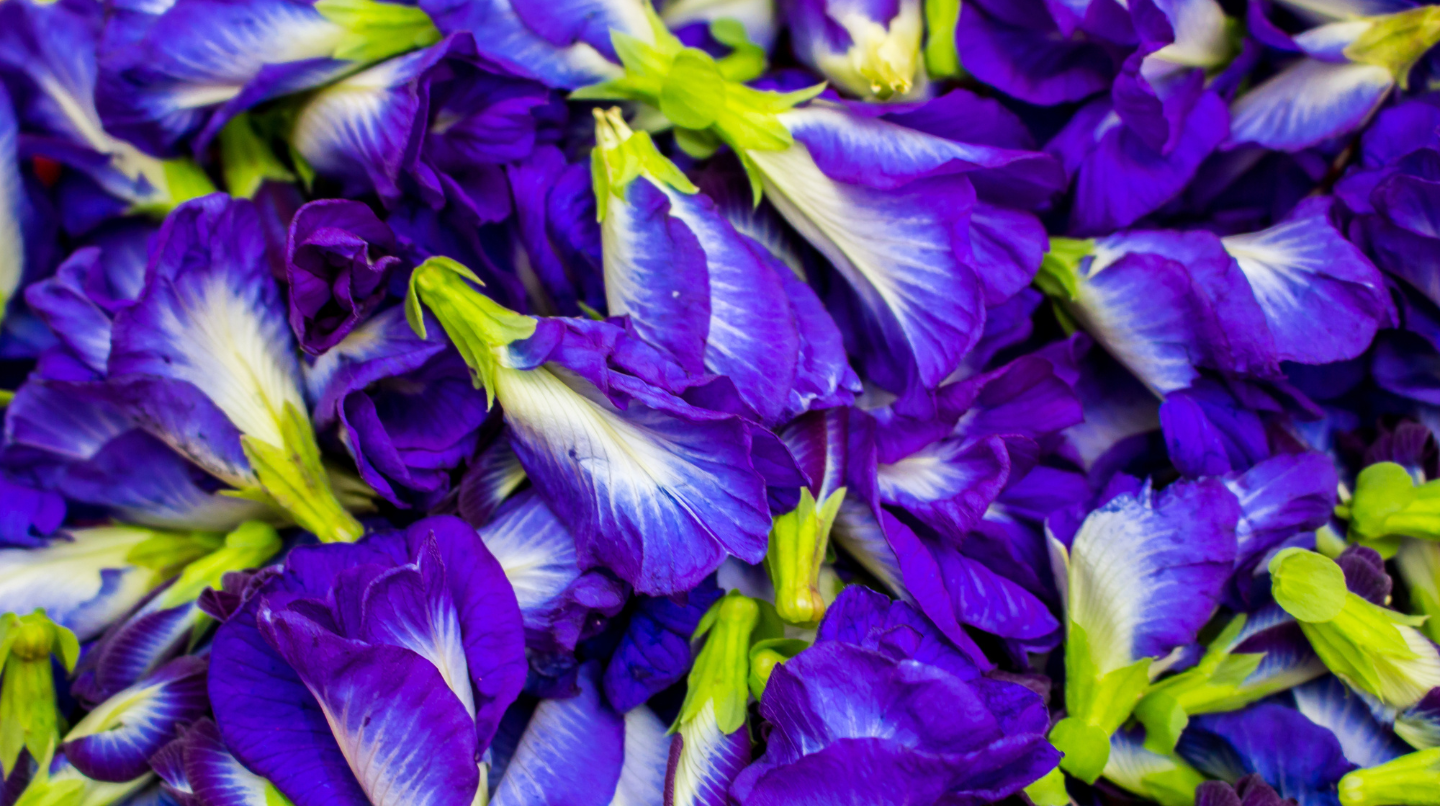
Butterfly Pea Flower
Famous for its brilliant blue hue, butterfly pea flower creates a naturally vibrant tea that changes color when lemon or citrus is added. It’s widely used in herbal teas, mocktails, and creative desserts.
Nasturtiums
These cheerful blooms bring a bold pop of orange, yellow, and red to the garden. Their flavor is slightly peppery — similar to arugula — making them perfect for salads, compound butters, and open-faced sandwiches. Both the flowers and leaves are edible, and even the seed pods can be pickled as a caper substitute.
Lavender
Soft purple sprigs with a gently sweet, floral aroma. Lavender pairs beautifully with honey, lemon, and berries. It can be infused into syrups, baked into shortbread, or steeped into calming teas. A little goes a long way — its fragrance is powerful and distinctive.
Roses
Yes, roses are edible — as long as they’re grown without chemicals. Petals can be sprinkled over desserts, crystallized for decoration, or infused into sugar and syrups. Rosewater has long been used in Middle Eastern and Indian cuisine to flavor pastries and beverages.
How to Safely Grow and Use Edible Flowers
Not all flowers are safe to eat, and proper identification matters. Follow these simple guidelines:
• Only consume flowers that are specifically identified as edible.
• Avoid flowers from florists, garden centers, or roadsides — they are often treated with pesticides.
• Grow your own organically whenever possible.
• Harvest in the morning after dew has dried for best flavor and freshness.
• Gently rinse and pat dry before use.
When in doubt, leave it out. Safety always comes first.
Bringing Beauty to the Plate
Edible flowers remind us that food doesn’t have to be purely functional. A handful of petals scattered over a salad or dessert transforms a simple dish into something intentional and memorable. They encourage slower cooking, more creativity, and a deeper connection to what we grow.
At Kelly Farms, we believe a garden should nourish more than just the body. It should feed curiosity, creativity, and community. Whether you’re planting a full acre or a few containers on your patio, adding edible flowers is an easy way to bring color, pollinator support, and culinary joy into your growing space.
Start small. Experiment often. And don’t be afraid to let your food bloom.
Check back for availability of these vibrant gifts from nature, here at Kelly Farms!