

Teaching Kids Where Food Comes From
As adults, we are conditioned to convenience.
We walk into a grocery store and see shelves, aisles, and neatly stacked produce. We see packaging, price tags, and barcodes. What we rarely see are the people behind the food — the soil, the early mornings, the seasons, the patience, and the hands that made it possible.
Modern convenience is relatively new for our species. For most of human history, food wasn’t something you picked up — it was something you grew, harvested, preserved, and prepared with intention.
Somewhere along the way, we lost the connection.
The Disappearing Relationship With Food
In this country, fewer and fewer adults under 40 show interest in farming or food production. That disconnect doesn’t begin in adulthood — it begins in childhood.
If children grow up believing food simply appears on shelves, they never develop curiosity about where it actually comes from. They don’t see the personalities behind it. They don’t understand the work. And without exposure, there’s rarely interest.
The interest starts with kids.
Why Early Exposure Matters
There is a small window of opportunity to introduce children to real food systems.
When kids:
- Plant seeds
- Pull carrots from the ground
- Collect eggs
- Wash freshly harvested produce
- Prepare meals from what they just picked
They build something far more valuable than gardening skills.
They build respect.
They learn patience.
They understand seasons.
They develop gratitude.
They see effort before reward.
And perhaps most importantly — they feel capable.
My Own Experience
I didn’t grow up in typical society. I was isolated in a forced labor operation until my early twenties. Some of my fondest memories, however, were learning on the farm — understanding where food came from, harvesting it, and preparing meals from the same-day yield.
There is something grounding about eating what you just pulled from the earth. It creates an immediate and tangible connection between effort and nourishment.
That connection stays with you.
The Role of Family Farms
Family farms are more than production sites. They are classrooms without walls.
When children visit a working farm, participate in U-Pick days, or receive produce boxes filled with seasonal food, they begin asking questions:
- Why are strawberries only available certain months?
- Why does this tomato taste different?
- Why does soil matter?
Curiosity is the gateway to stewardship.
If we want future generations to care about soil health, sustainability, and local agriculture, we must let them experience it early — not through screens, but through their hands.
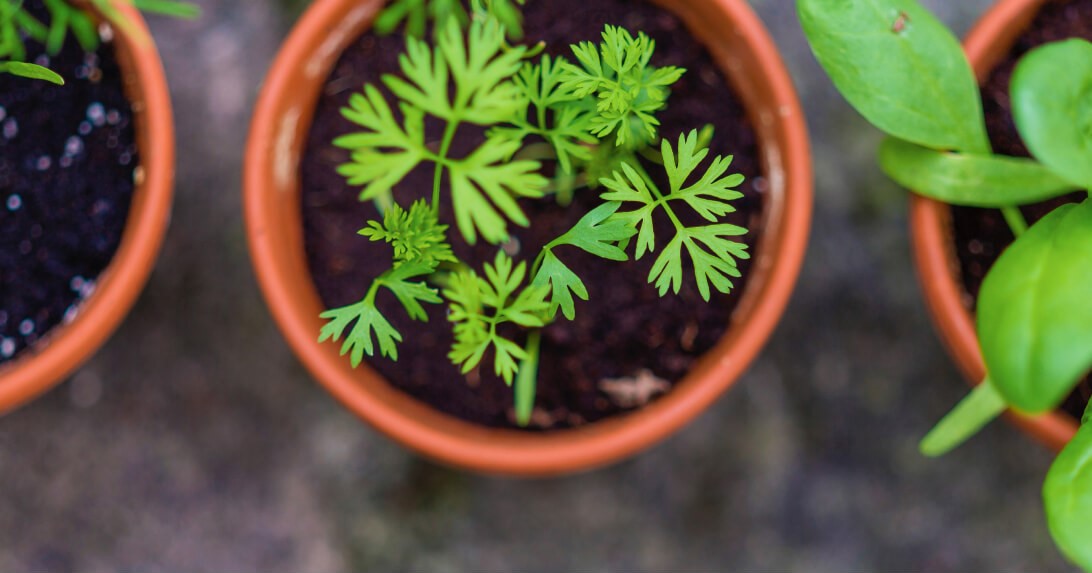
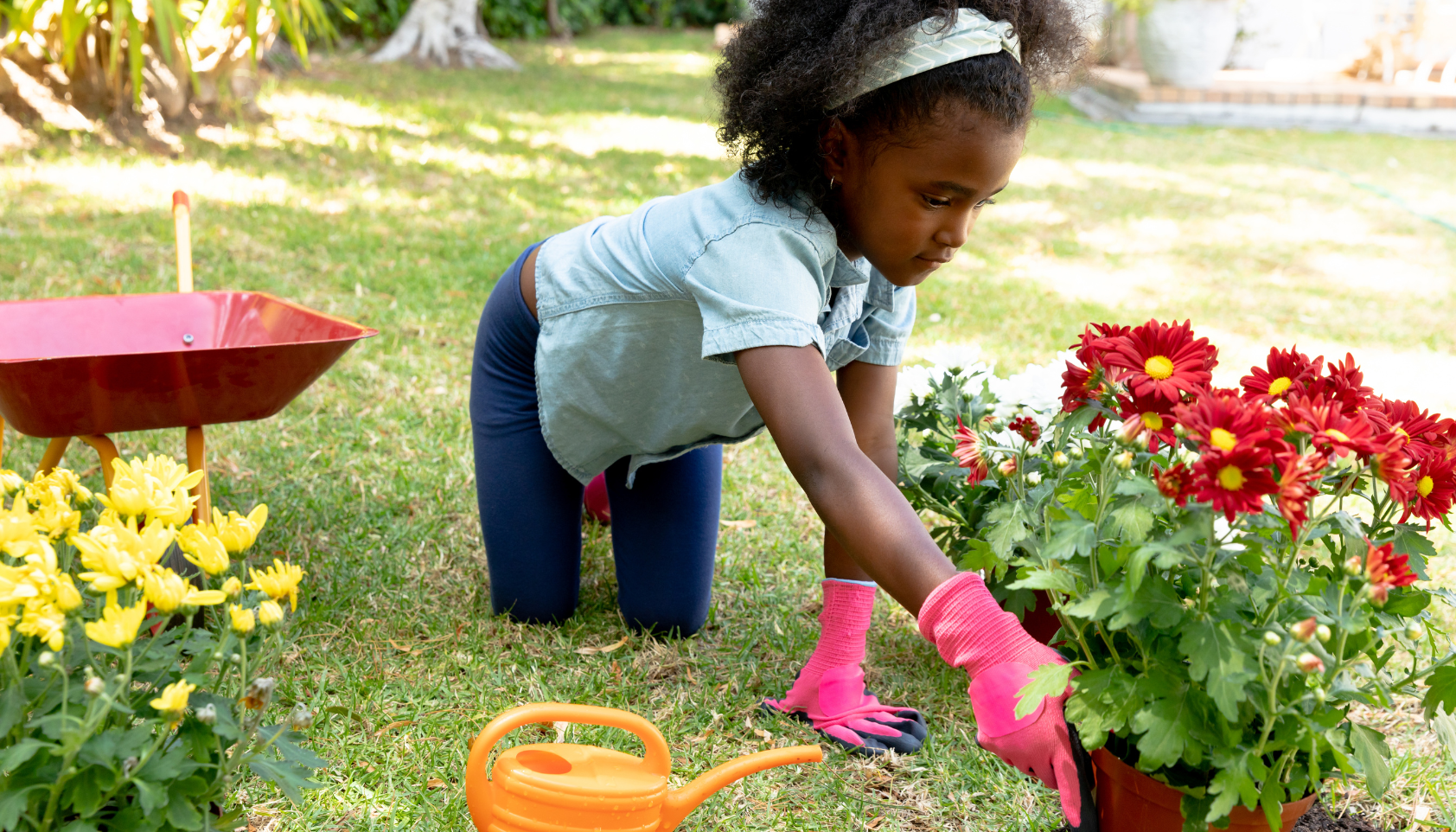
If children never touch the soil, they may never understand the value of what grows from it. Start small — a single tomato plant, a handful of herbs, a raised bed in the backyard. When a child plants, waters, waits, and harvests, they learn that food doesn’t appear on shelves — it grows through patience, care, and time.
The goal isn’t to turn every child into a farmer.
The goal is awareness.
When children understand where food comes from, they grow into adults who respect it — whether they farm, garden, cook, or simply choose to support local producers.
Convenience may define modern life, but connection defines meaning.
At Kelly Farms, we believe food should have a story. And every child deserves the chance to hear it — and live it — firsthand.